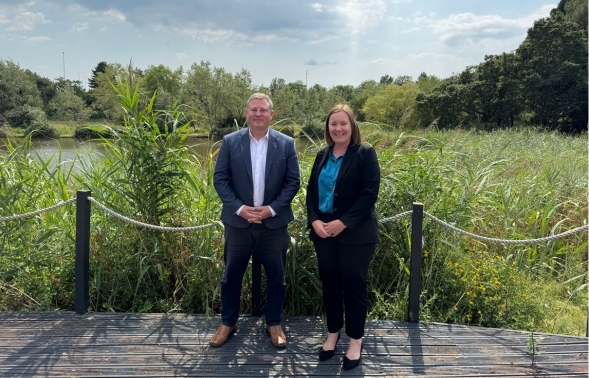

Emeritus Professor Joe Nellis is economic adviser at MHA, the accountancy and advisory firm.
The UK labour market is failing to gain momentum as the unemployment rate held at 4.9% in May while earnings growth (excluding bonuses) remained at 3.4%.
Unemployment remains low by historical standards, but the current trend is worrying. Many businesses are facing a combination of weak consumer spending, higher employment costs and ongoing uncertainty over the medium-term outlook for the economy. Although large-scale redundancies are the exception, many firms are slowing down their recruitment activities and replacing fewer departing staff.
This is not sustainable: for employers, employees, and the economy as a whole. As it stands, unemployment is likely to edge a little higher as economic growth remains sluggish. Reversing the current direction of travel in the labour market will be one of the first major economic tests facing Prime Minister Burnham.
His administration will need to stimulate much-needed sustainable economic growth, while improving business confidence, investment spending and productivity significantly – and quickly – if the labour market is to regain momentum.
Youth unemployment remains a major concern, with the new Prime Minister promising in his first speech in office to help more young people into work.
This is a long-term challenge, requiring reforms to education and skills as well as stronger economic growth. In the short term, however, the government could ease the burden on businesses hiring younger workers, particularly following increases to National Insurance and the National Minimum Wage. Measures that encourage firms to recruit and retain young people could help bring youth unemployment down over the coming years.