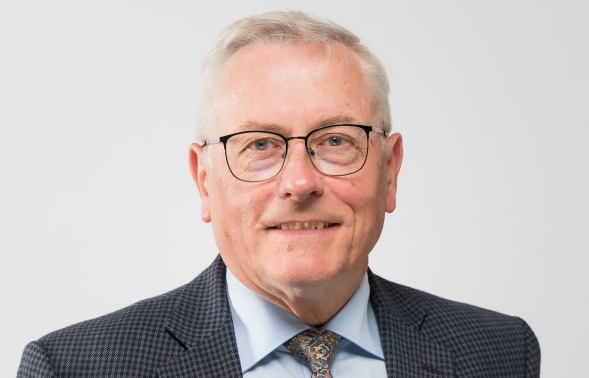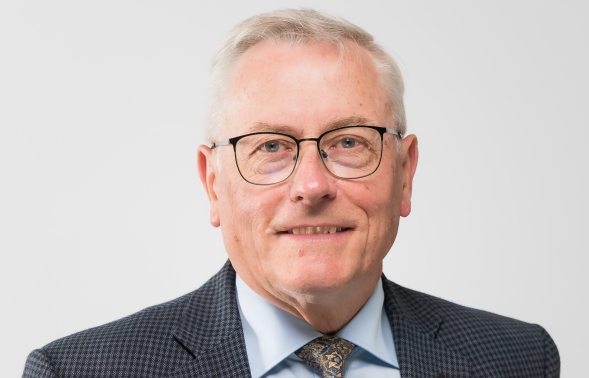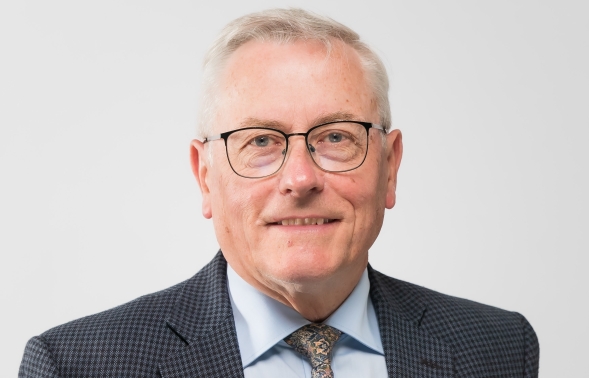

Emeritus Professor Joe Nellis is Head of Economic Research at MHA, the accountancy and advisory firm.
UK inflation has moved back in the wrong direction, rising from 2.6% in June to 2.9% in July. While the increase was widely expected, it is a signal that inflation is likely to rise across the latter half of 2026.
Much of the latest increase reflects higher energy costs as a direct result of the continuing tensions in the Middle East, rather than a sudden resurgence in underlying domestic inflationary pressures. This distinction really does matter. But households and businesses ultimately feel the increase in prices regardless of where it originates, and another period of inflation running noticeably above the Bank of England’s 2% target will squeeze household budgets and business margins. With inflation hitting the lowest paid the hardest, this will be a setback for the Prime Minister, who has made tackling cost-of-living issues a central focus of his policy platform so far.
Unfortunately, inflation will rise further in the coming months. Higher energy costs are feeding through into household bills and business costs, and the Bank of England expects inflation to average around 3.2% in the final quarter of this year. Global energy markets and geopolitical uncertainty remain significant risks that threaten the prospect of price stability.
However, the rate of Inflation is still well below the peaks that were seen just a few years ago, while wage growth has moderated and some underlying price pressures have eased. If inflation fails to rise much higher than 3%, policymakers at the Bank of England may be able to justify holding rates at 3.75% for the rest of the year.
But if inflation continues to surprise on the upside – and it could get closer to 4% – the Bank of England will be forced to raise interest rates. More restrictive monetary policy would not be beneficial to an economy that is already expected to slow down later this year.
The UK faces an uncomfortable Autumn Budget, as inflation moves higher just as economic growth needs support. The Prime Minister and his Chancellor must consider how to create the conditions for economic growth, provide support for those struggling most with the cost-of-living, and curtail an ever-growing pool of public sector expenses: without contributing further to inflation.
The good news is that the inflation spike should prove temporary, but there is always the danger that temporary inflation can become structural if expectations, wages and prices begin responding to it.