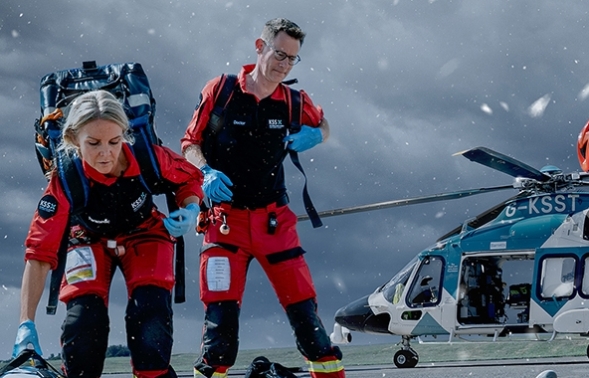

Since its launch, the Aftercare Service has become a vital part of a commitment by KSS to delivering outstanding care beyond the scene of an incident. The service supports former patients, their families and bereaved families, long after their medical emergency is over to ensure the best possible recovery journey by answering questions about their care, arranging base visits, facilitating peer support and directing patients to specialist support.
Throughout the charity’s history, KSS has invited patients to meet crew when the time is right. Since the dedicated Patient and Family Aftercare Service was created in 2022 the charity has arranged 169 first time meetings with crew for patients and bereaved families.
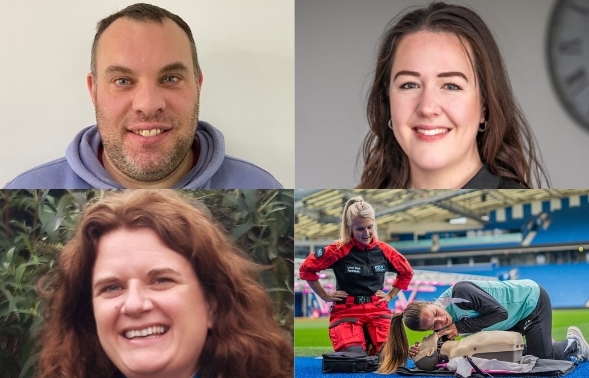
KSS Patient and Family Aftercare Lead Stu Plumbley said:
“When someone experiences a life‑threatening emergency, the trauma doesn’t end at the hospital doors. Our Patient and Family Aftercare Service was created to ensure people can receive support no matter how long ago it was. Four years on, we’re incredibly proud of the support we’re able to offer patients, families and those who are grieving.”
The service also plays a crucial role in supporting bereaved families, offering a consistent point of contact and compassionate support at a time of profound loss. For many, maintaining a connection with KSS and the crews involved can be an important part of the grieving process.
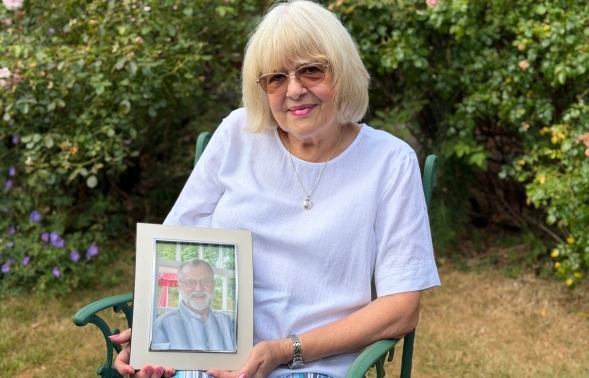
In 2022 KSS was called to care for Andy Collins after he was involved in a motorcycle accident. Although we were unable to save Andy, his wife Helen takes comfort from the fact that he received the best possible care at the scene, and from the support she has had since then from the KSS Aftercare Team.
Helen said:
“I think my mental health would have suffered if I hadn’t had the answers I’ve had from speaking to the Aftercare Team. I needed as much information as I could get. If I hadn't had that, I probably wouldn't have been able to move on as far as I have. I think I'd have still been stuck in the same stage of grieving.”
Those feelings are echoed by KSS volunteer Sara Saunders, whose ex-husband Lee also died in a motorcycle accident.
Sara said:
“Meeting people from KSS really mattered to me. Like Helen, it was important to get all my questions answered, and I wouldn’t have got those answers without the KSS Aftercare Team. If I hadn’t had that, I know my mental health would have suffered really badly.
“What happens after the event is very important because of the way it affects people’s mental health. It’s a much bigger picture than the air ambulance coming along and helping people as this is the start of a whole new journey.”
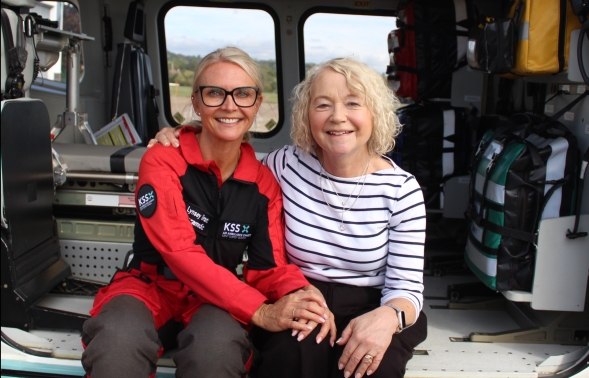
Helen and Sara have also been supporting each other via peer support meetings arranged by KSS.
Sara explained:
“Meeting Helen, once Sarita from the Aftercare Team had introduced us, was the best therapy ever because I could say exactly how I was feeling. Helen was in the same position, so I didn’t have hold anything back or pretend that everything was okay.”
Helen agreed:
“After meeting Sara for peer support, I felt as if I’d done something positive, because at the time everything felt so negative. It was good to be able to offload to somebody who knew exactly where I was coming from and was able to reassure me. I also felt I’d helped her in return.
“I felt I could tell Sara exactly what I was feeling, and she would understand. Sometimes I worry about telling people in case it shocks them or ruins their day.”
Stu Plumbley added:
“Every person’s journey is different. Our role is to listen, to guide, and to provide reassurance when people need it most. Marking four years of Aftercare is a moment to reflect on how far the service has come, but also to recognise the courage of the patients and families who share their stories with us.”
The KSS Patient and Family Aftercare Service continues to evolve, shaped by patient feedback and close collaboration with NHS partners, trauma centres and community organisations. As KSS looks ahead, the charity remains committed to expanding and strengthening the service to ensure everyone affected by a medical emergency can access the right support at the right time.
KSS responds to an average of nine life‑threatening emergencies every day. The Patient and Family Aftercare Service is one of the ways the charity ensures care doesn’t stop at the scene, helping people and families rebuild their lives after trauma.
If you or a loved one have been cared for by KSS and you would like further information about the work of the Patient and Family Aftercare Service, visit www.aakss.org.uk/patients or call 01634 471 900