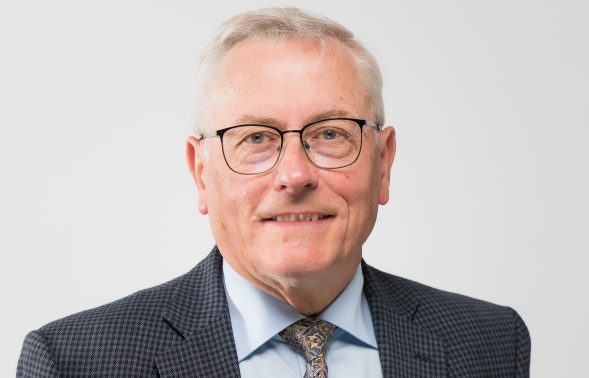
Emeritus Professor Joe Nellis is Head of Economic Research at MHA, the accountancy and advisory firm.
Today is the first increase by the MPC since 3 August 2023 when Bank Rate was raised to 5.25%. The decision was widely expected but it still marks a sharp change of direction after the run of rate cuts that began at the end of July 2024. The battle against inflation has entered a new and more challenging phase as we head towards 2027.
The rise in interest rates had been strongly signalled. Consumer price inflation jumped to 3.5% in September, up from a mid-year low of 2.6% in June, taking it well above the official 2% target. The Bank of England expects inflation to climb still higher – to above 4% early in 2027 – as spikes in energy costs feed through in the next few months. With core inflation at 2.8% and services inflation at 3.7%, the Bank cannot take the risk of allowing underlying inflation pressures to become more entrenched.
This is unwelcome news for an economy that has just been forecast by the Office for Budget Responsibility to slow down and grow by only 1% next year. Higher borrowing costs will add more pressure on households already facing a renewed squeeze on living costs. Rising interest rates will also hit businesses and mortgage borrowers.
The impact of today’s decision extends beyond Threadneedle Street. A rise in interest rates creates a headache for the Chancellor, John Healey, only a week after his first Budget. His fiscal headroom has already fallen to £15 billion, down from £24 billion in March. Higher interest rates and rising gilt yields will push up the cost of servicing the national debt, which now exceeds £3tn, and will erode the fiscal headroom even further.
The big question now is whether this is only a one-off precautionary move on the part of the Bank of England or the beginning of a series of rate rises. The MPC next meets on 18 December and the vote then will depend heavily on the inflation figures due for release on 18 November and on when energy prices start to show any sign of easing. Unless inflationary pressures fade soon, borrowers should prepare themselves for interest rates staying above 4% – and increasing further – during the first half of 2027.